





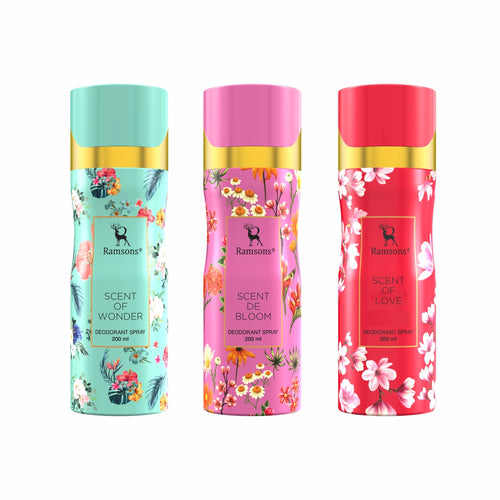



The choice between a perfume and a deodorant often comes down to habit rather than understanding. Many people use one of them daily without really knowing the difference in how they work or what they are meant for.
At a basic level, both serve different purposes. A deodorant is designed to manage body odor, while a perfume is meant to create a fragrance presence. Treating them as interchangeable products often leads to confusion, especially when expectations do not match the result.
In daily routines, this difference becomes more noticeable. A product that works well for controlling sweat may not be enough to maintain a consistent fragrance throughout the day. Similarly, a fragrance alone may not address body odor in more active conditions. Understanding how each product functions makes it easier to decide what fits better into your routine.
What Is the Difference Between Perfume and Deodorant
A deodorant is primarily functional. It is applied to control odor caused by sweat and bacteria. Its effect is usually limited to a specific area and is designed for shorter durations.
Perfumes, on the other hand, are focused on scent. They are created to provide a noticeable fragrance that develops over time and remains present for longer hours. Instead of targeting odor directly, they contribute to how you are perceived in terms of scent.
This difference also affects longevity. Deodorants typically fade faster, especially in hot or humid conditions. Perfumes are formulated to last longer and maintain consistency, which makes them more suitable for extended use.
A fragrance like La Opale Eau De Parfum reflects this difference clearly. It is designed to maintain a clean and steady presence rather than simply masking odor for a short period.
When Deodorant Makes More Sense
There are situations where a deodorant is the more practical choice. Activities that involve physical effort, outdoor exposure, or long commutes often lead to increased sweating. In such cases, controlling odor becomes the priority.
Deodorants work well in these conditions because they are applied directly to areas where odor develops. They provide a level of freshness that helps manage discomfort during active routines.
However, their effect is usually limited in duration. As the day progresses, especially in Indian weather, their performance may reduce, which is why relying only on deodorant may not be enough for a full day. This makes deodorants useful as a base layer rather than a complete solution.
When Perfume Becomes More Relevant
Perfumes are more suited for situations where maintaining a consistent fragrance matters. Office environments, social interactions, and daily routines often require a presence that lasts beyond the initial application.
Unlike deodorants, perfumes are not restricted to odor control. They contribute to how you are perceived and help create a more defined personal presence.
For daily use, a fragrance that feels balanced and stable tends to work better than one that is overly strong.
A practical example is Bullet Eau De Parfum, which offers a more active and noticeable presence suited for longer routines. It holds better over time, making it more reliable when you need your fragrance to last through different parts of the day.
Which One Works Better for Daily Use
The answer depends on what you expect from your routine. If the goal is only to manage body odor, a deodorant is sufficient. It addresses a specific need and works well for shorter durations or physically active situations. However, it does not provide a lasting fragrance presence throughout the day.
If the focus is on maintaining a consistent scent and creating a more refined impression, perfumes are more effective. They are designed to last longer and remain noticeable across different environments.
In most daily scenarios such as office hours, meetings, or casual interactions, a daily use perfume offers more value because it supports both consistency and presence.
Why Relying on Only One Is Not Always Enough
Treating deodorant and perfume as alternatives can limit their effectiveness. Each product is designed for a different role, and using only one may not fully address your needs.
A deodorant alone may control odor but will not maintain a noticeable fragrance for long. On the other hand, a perfume alone may provide scent but may not be sufficient in situations where sweat control is necessary.
This is why many people experience inconsistency in their routine. The expectation from the product does not match its actual function. Understanding this distinction helps you use each product more effectively instead of expecting one to replace the other.
A More Practical Way to Use Both
A more effective approach is to combine both products based on their strengths. Start with a deodorant to manage odor in areas where it is most needed. This creates a clean base and ensures comfort, especially in warm conditions.
Follow this with a perfume to establish a lasting fragrance. Applying it on pulse points allows it to develop gradually and remain noticeable for longer hours.
This combination works well in Indian conditions where both odor control and fragrance longevity are important. It allows you to maintain freshness while also creating a consistent scent profile.
Making the Right Choice for Your Routine
The decision is less about choosing one over the other and more about understanding how they fit into your daily habits.
For shorter durations or highly active environments, deodorants play a practical role. For longer routines where presence matters, long lasting perfumes provide better consistency.
In many cases, using both together offers a more complete solution. It ensures that you stay fresh while also maintaining a noticeable fragrance throughout the day.
Conclusion
The comparison between perfume vs deodorant is not about which one is better in general, but about which one serves your purpose more effectively.
Deodorants handle odor control, while perfumes create a lasting impression. When used correctly, they complement each other rather than compete. For daily use, especially in Indian conditions, combining both allows you to achieve better results than relying on either one alone.