



Perfume is meant to feel comforting, expressive, and personal. For most people, it’s a quiet part of daily routine something worn for confidence, familiarity, or pleasure. However, in certain situations, even a well-made or long lasting perfume can cause unexpected skin discomfort. When that happens, the priority is not panic, but understanding.
A reaction to perfume doesn’t automatically mean the fragrance is poor quality or unsafe. In many cases, it reflects how individual skin responds to specific ingredients, environmental changes, or application habits. Skin is dynamic, and what works well at one time may behave differently under new conditions.
Why Perfume Reactions Can Occur Even with Good Formulations
Perfumes are carefully balanced compositions of fragrance oils, alcohol, and stabilising elements. These structures are what allow perfumes to last longer on skin and remain stable in the bottle. However, because skin chemistry varies from person to person, even thoughtfully formulated and long lasting perfumes can occasionally cause irritation in sensitive individuals.
Dry weather, seasonal changes, stress, or recently shaved skin can weaken the skin barrier, making it more reactive than usual. In such cases, perfume isn’t the problem—it’s simply interacting with skin that needs extra care at that moment.
This is why a fragrance that has been worn comfortably for months can suddenly feel irritating without warning.
Recognising Common Signs Early
Perfume-related reactions usually appear in areas where fragrance is applied directly, such as the neck, wrists, or behind the ears. Early signs often include mild redness, itching, dryness, or a tingling sensation. These symptoms are usually localised and temporary, especially when addressed quickly.
Recognising these signals early is important. Continuing to use perfume on irritated skin, even a favourite one, can intensify discomfort rather than improve it.
What to Do Right Away
The first and most important step is to stop using the perfume immediately. Gently rinse the affected area with lukewarm water and a mild, fragrance-free cleanser to remove any remaining traces. Avoid scrubbing or using exfoliating products, as irritated skin needs gentleness, not stimulation.
Allow the skin to rest. If you regularly use a simple moisturiser that your skin tolerates well, applying a small amount can help ease dryness. Otherwise, it’s best to keep the area free of products until irritation settles.
Why Perfume Reactions Can Occur Even with Good Formulations
Perfumes are carefully balanced compositions of fragrance oils, alcohol, and stabilising elements. These structures are what allow perfumes to last longer on skin and remain stable in the bottle. However, because skin chemistry varies from person to person, even thoughtfully formulated and long lasting perfumes can occasionally cause irritation in sensitive individuals.
Dry weather, seasonal changes, stress, or recently shaved skin can weaken the skin barrier, making it more reactive than usual. In such cases, perfume isn’t the problem—it’s simply interacting with skin that needs extra care at that moment.
This is why a fragrance that has been worn comfortably for months can suddenly feel irritating without warning.
Recognising Common Signs Early
Perfume-related reactions usually appear in areas where fragrance is applied directly, such as the neck, wrists, or behind the ears. Early signs often include mild redness, itching, dryness, or a tingling sensation. These symptoms are usually localised and temporary, especially when addressed quickly.
Recognising these signals early is important. Continuing to use perfume on irritated skin, even a favourite one, can intensify discomfort rather than improve it.
What to Do Right Away
The first and most important step is to stop using the perfume immediately. Gently rinse the affected area with lukewarm water and a mild, fragrance-free cleanser to remove any remaining traces. Avoid scrubbing or using exfoliating products, as irritated skin needs gentleness, not stimulation.
Allow the skin to rest. If you regularly use a simple moisturiser that your skin tolerates well, applying a small amount can help ease dryness. Otherwise, it’s best to keep the area free of products until irritation settles.
How to Reintroduce Perfume Safely
After a reaction, patience matters. Skin needs time to fully recover before fragrance is reintroduced. Once the area feels normal—no redness, itching, or sensitivity—it’s best to start slowly rather than returning to old application habits immediately.
Testing perfume on a small, less sensitive area can help gauge tolerance. The inner forearm, applied lightly and observed over several hours, often gives a clearer picture of how the skin responds. This approach is especially helpful when trying new or long lasting perfumes, as their extended wear can sometimes intensify reactions on already sensitive skin.
Reintroduction isn’t about caution driven by fear it’s about rebuilding comfort.
Why Application Technique Matters More Than Ever
How perfume is applied can be just as important as which perfume is chosen. Applying fragrance directly to freshly shaved, sun-exposed, or very dry skin increases the chance of irritation. In winter, when skin tends to be drier, this becomes even more relevant.
Light application works better than heavy spraying. Allowing perfume to settle naturally, rather than layering it repeatedly, reduces stress on the skin. When perfumes are worn thoughtfully, even long lasting options tend to feel smoother and more comfortable throughout the day.
This balance allows fragrance to remain present without overwhelming either the skin or the senses.
Understanding Ingredients Without Obsession
It’s natural to become more curious about ingredients after a reaction. While it’s helpful to know that alcohol, essential oils, and fragrance compounds can sometimes trigger sensitivity, it’s not necessary to overanalyse every label.
Reactions are often personal rather than universal. An ingredient that causes irritation for one person may be completely harmless for another. Instead of avoiding perfumes entirely, focus on noticing how your own skin responds over time.
This measured awareness supports long-term comfort without turning perfume use into a source of anxiety.
Why Long Lasting Perfumes Aren’t the Enemy
There’s a misconception that long lasting perfumes are more likely to cause reactions. In reality, longevity usually reflects concentration and structure, not harshness. Many long lasting perfumes are carefully balanced to wear evenly over hours rather than aggressively.
When irritation occurs, it’s usually about timing, skin condition, or application—not the concept of longevity itself. Once skin health is restored, many people comfortably return to using long lasting perfumes without further issues.
The key is respecting the skin’s condition at the time of use.
Choosing Perfumes with Wearability in Mind
After experiencing a reaction, people often become more selective—and that’s not a bad thing. Perfumes that are designed for everyday wear, with smooth development and balanced projection, tend to feel easier on the skin over time.
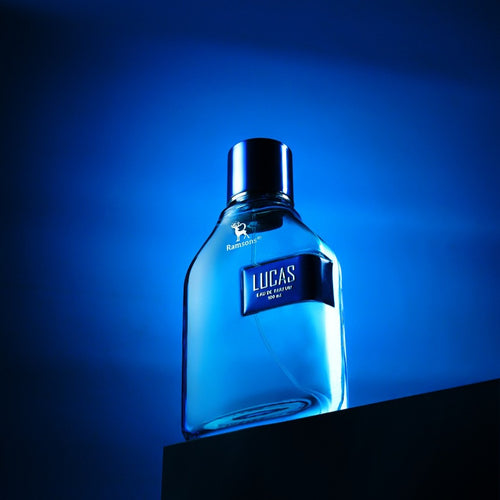
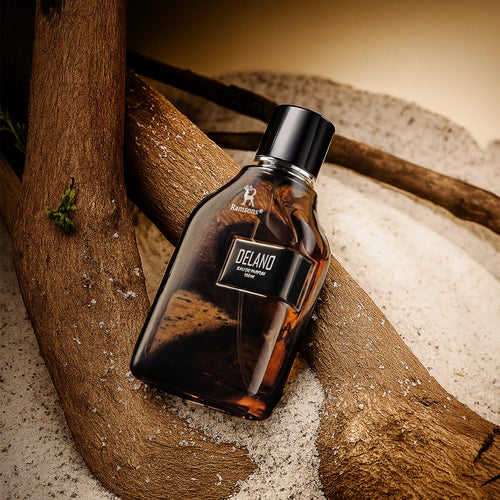
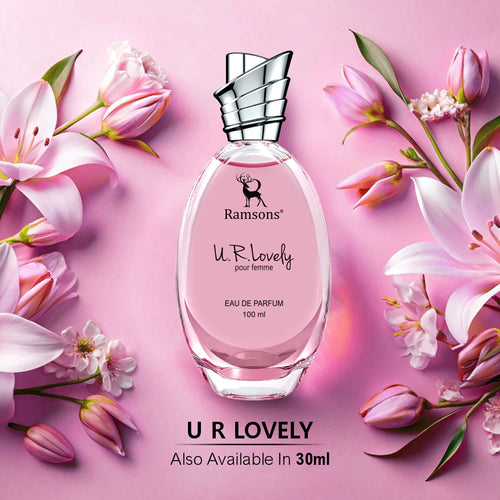
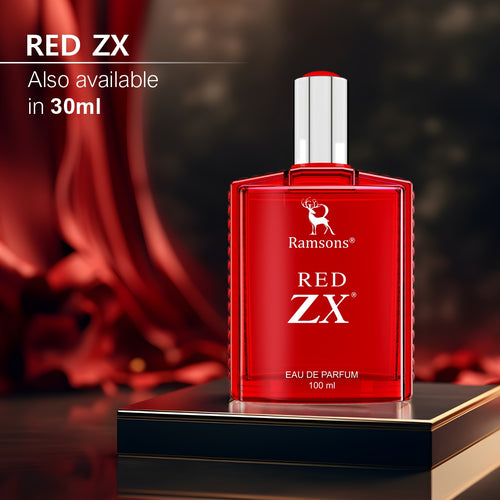
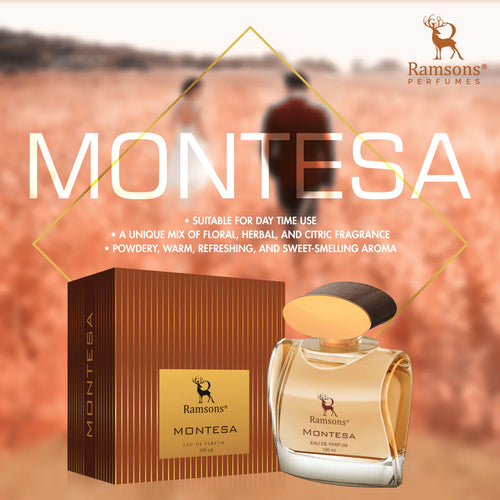
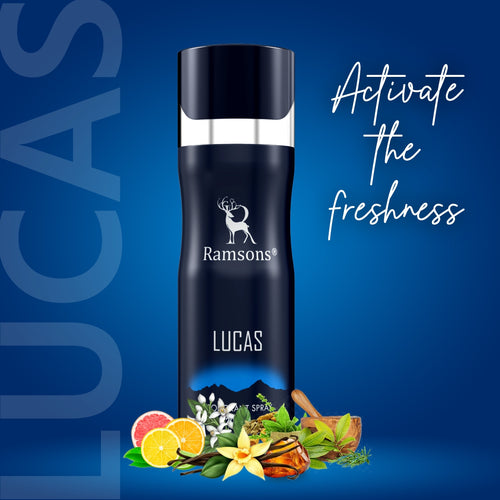
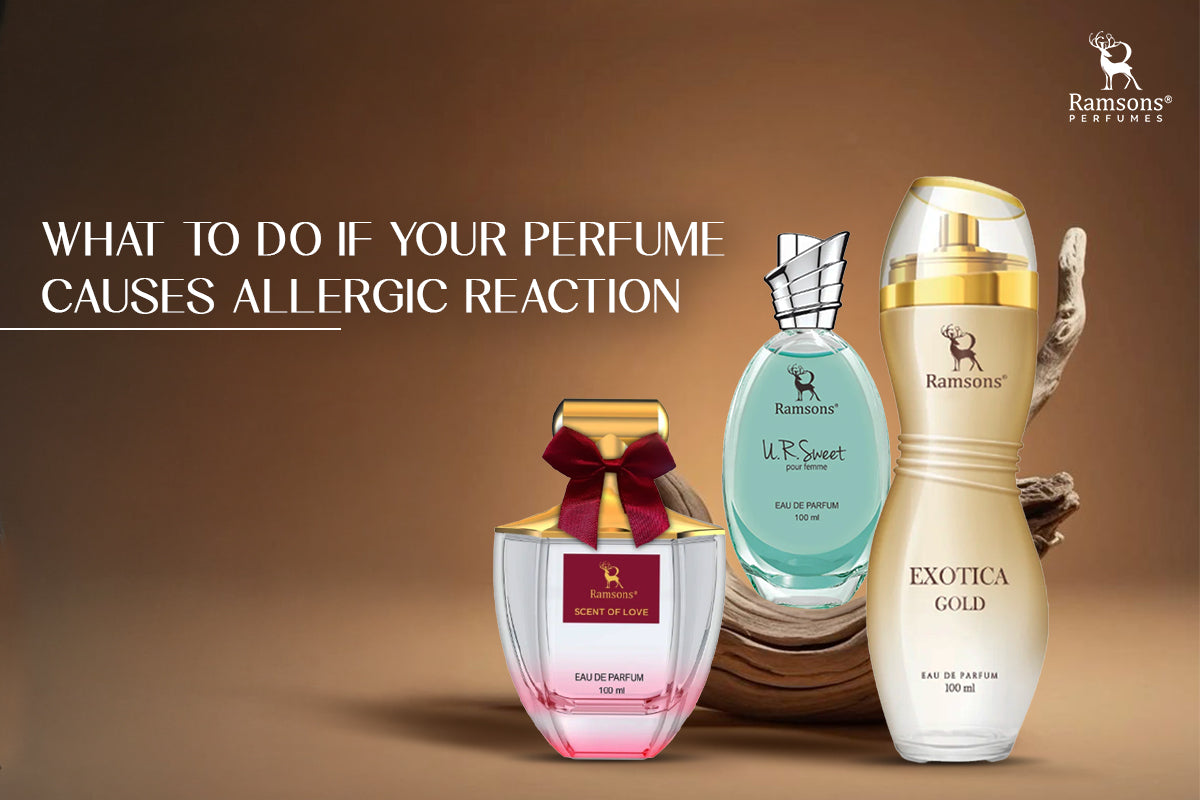
Brands that focus on creating fragrances for regular use across varied Indian climates often prioritise this balance. Ramsons Perfumes, for example, formulates perfumes intended to be worn daily, with attention to stability and comfort. Still, as with any fragrance brand, individual skin response remains personal, and listening to your own experience matters most.
When to Seek Professional Guidance
If reactions happen repeatedly, even with different perfumes, it may be time to consult a dermatologist. Persistent sensitivity can indicate an underlying skin condition or heightened fragrance sensitivity that benefits from professional advice.
Seeking guidance doesn’t mean giving up perfume it simply helps you understand your skin better and make safer choices moving forward.
A Calm Perspective Going Forward
Perfume is deeply personal. A reaction doesn’t mean something has gone wrong; it means your skin is communicating. When you respond with patience, observation, and care, fragrance can remain a positive part of your routine.
With thoughtful application, proper skin care, and mindful choices, most people continue to enjoy perfumes comfortably—including daily wear and long lasting options. Caring for your skin and respecting its signals allows perfume to return to what it’s meant to be: a source of quiet confidence, familiarity, and pleasure.